No products in the cart.


According to a recent study, eating meat on a daily basis as part of a balanced diet may boost your chances of surviving to the age of 100. While this is fantastic news for carnivores, there is one key caveat to the study: frequent meat consumption is only helpful to your longevity if you are already old.
People are becoming more conscious of their consumption because they want to live longer, which is a positive thing. This is precisely why plant-based or plant-heavy diets are becoming increasingly popular. If you generally avoid meat for health reasons, wait before going to the grocery store for burger-making supplies since, like with everything else in health, all or nothing isn’t always the best option.

For years, the vegetarian diet has dominated nutrition discussions, particularly as the number of obesity-related deaths rises. Plant-based diets have been shown in studies to be beneficial to heart health due to their reduced saturated fat content.
It’s reasonable to assume that eating a plant-based diet is healthier for you if you want to live a long life, right?
Yaqi Li, the lead researcher, and his colleagues focused on persons aged 80 and up in China, specifically whether vegetarianism is connected with a higher risk of reaching age 100.
Interestingly, these individuals “had a lower likelihood of becoming centenarians relative to omnivores, underscoring the importance of a balanced, high-quality diet with animal- and plant-derived food composition for exceptional longevity, especially in the underweight oldest-old.”
In a nutshell, the study discovered that for persons over the age of 80, dietary demands altered, with protein being more vital for long-term health. That’s not exactly a free pass to eat meat and avoid veggies.
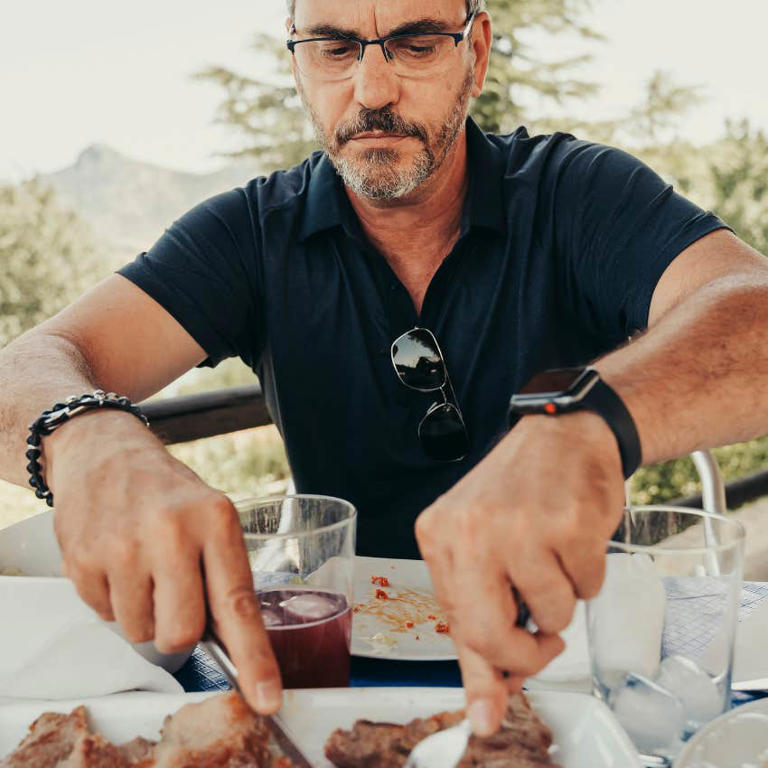
Dr. Chloe Casey, a Registered Associate Nutritionist, noted, “This study focused on adults aged 80 and up, whose dietary demands differ significantly from those of younger people. Physiological changes as we age affect both how much we eat and what nutrients we require.
She went on to explain, “In later age, dietary priorities change. Rather than focusing on preventing long-term disorders, the goal is to retain muscle mass, avoid weight loss, and ensure that every mouthful has plenty of nutrients.”
This means that fat and protein become increasingly vital when you consume less and become frailer. When you’re young, however, when heart health is more important for lifespan, this is not true.
As a vegetarian, I find that it requires more planning and focus to ensure I receive adequate protein. Getting creative with tofu takes time, so I usually cook an egg and call it a day. Although eating a steak is easy, both diets leave a person weak in other food groups.
Christa Lesté is a science journalist.The study’s author, Lasserre, stated, “It is important to understand what nutrients are needed for a balanced, healthy lifestyle…This includes eating plenty of whole grains, fruits and vegetables, while minimising salt, sugar and saturated fats.”
Remembering to add vegetables to my egg and toast, or a slice of kiwi, helps me maintain a balanced diet by putting time and intention into what I eat. This, combined with some multivitamins, provides me with enough nutrients and energy to start the day feeling energized.
The study also emphasized that “the reduced likelihood of reaching 100 observed among non-meat eaters was not evident in those who included fish, dairy, or eggs in their diets.” Protein and fat are essential when you reach an age when being underweight and fragile is life-threatening.
RELATED: According to Psychology, the type of food you constantly crave reveals a lot about your personality.
Diets should vary with age.
Look, diets should always alter as we mature. Babies and young children require fats in their diets to fuel their brains, but we no longer need them as we age.
Dr. Casey continued, “Older individuals still require appropriate protein, vitamin B12, calcium, and vitamin D, particularly to maintain muscle strength and prevent weakness. Preventing malnutrition and weight loss in elderly adults is frequently more important than long-term chronic disease prevention. You are responsible for altering your diet, varying the food plan that works best for your taste, calorie goal, and muscle maintenance.
Dr. Casey noted one “critical detail: the lower likelihood of reaching 100 among non-meat eaters was only observed in underweight participants.” No such relationship was discovered in older persons of normal weight.” The overall goal is to achieve a healthy weight by consuming nutrient-dense, complete meals.
Eating enough of each food category is a balancing act. Broadening the definition of nutrition, the quality of the nutrients you consume has an impact on how many years you can live. Every body is unique, and each requires different nourishment.


 01. Kids Store #1
 02. Kids Store #2
 03. Kids Fashion Store
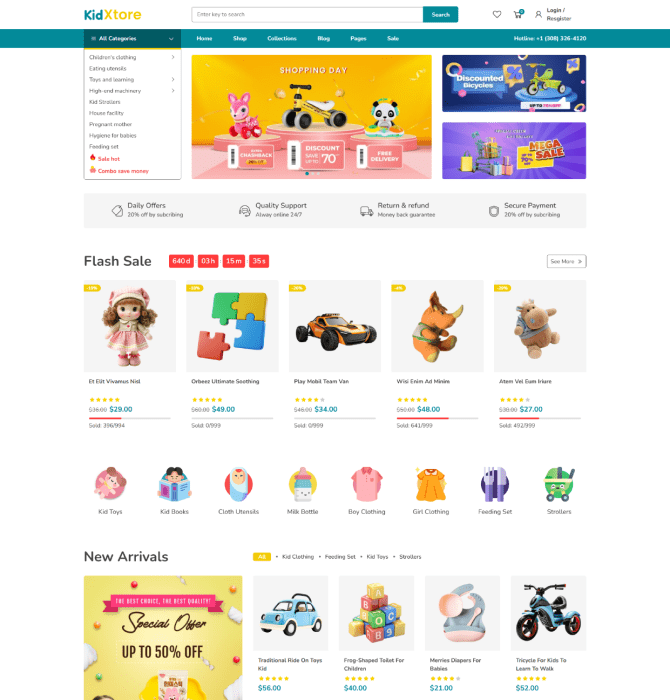 04. Kids Supply Market #1
 05. Kids Supply Market #2
 06. Kids Education
 07. Stationery Store
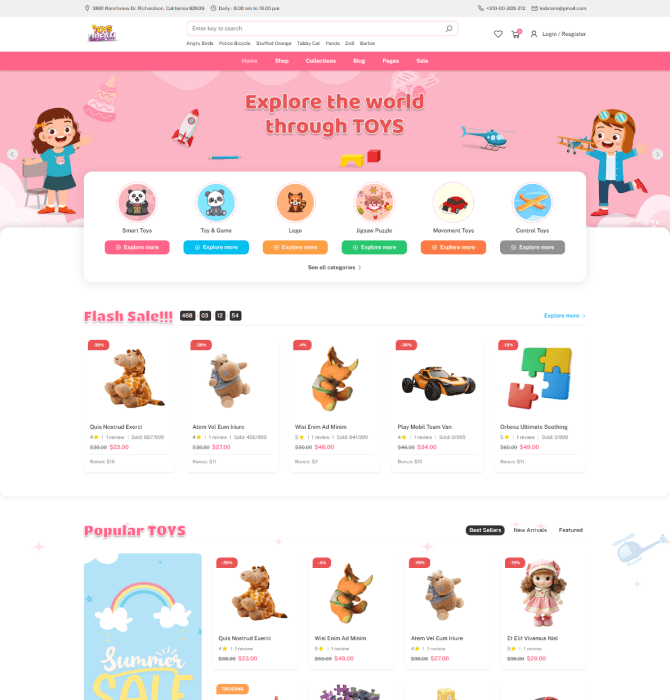 08. Kids Toys Store
 09. Kids Clothing Store
 10. Baby & Kids Clothes #1
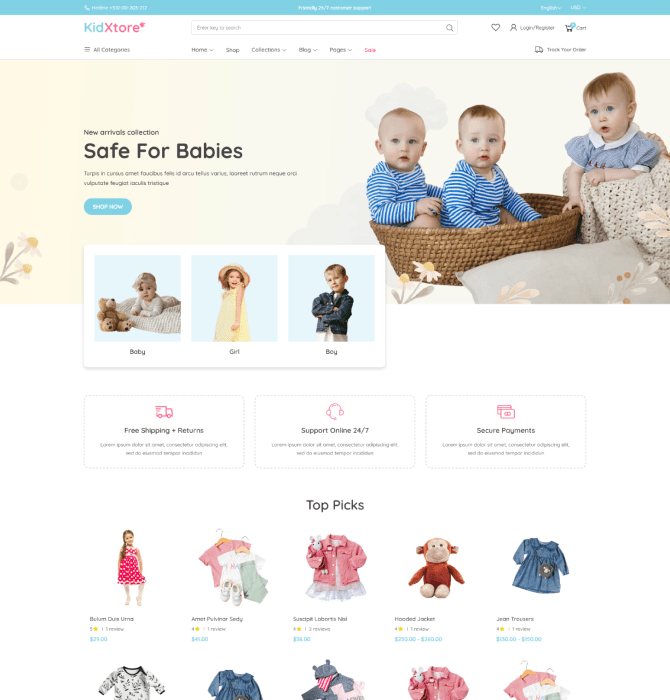 11. Baby & Kids Clothes #2
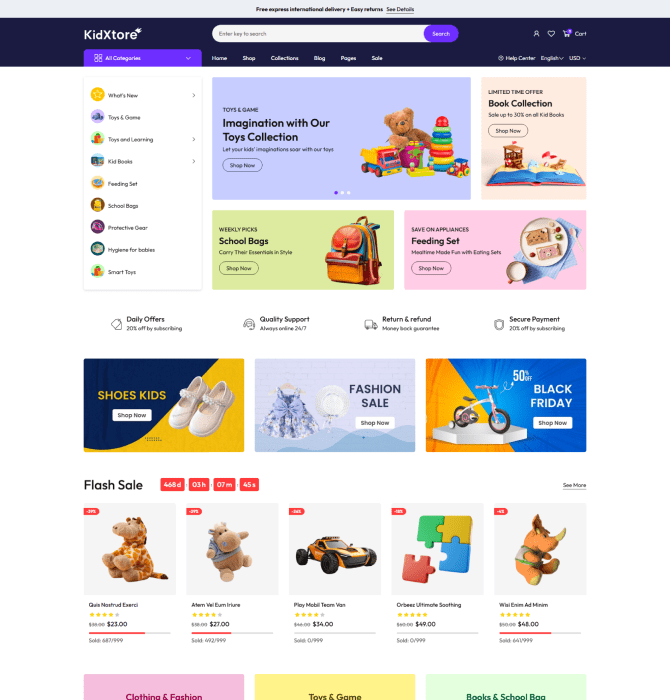 12. Kids Supply Market #3
 13. Kids Toys & Accessories
 14. Kids Store #3
 15. Kids Supply Market #5
 16. Children & Kids Store
 17. Kids Interior Store





























Leave a comment