No products in the cart.


Elon Musk’s net worth increased to $852 billion this week, a new high set by the combination of two of his firms, SpaceX and xAI, ahead of a highly anticipated IPO later this year. However, despite having more riches than anyone in history, Musk does not appear to believe that the amount in his bank account translates into personal fulfilment.
“Whoever said, ‘Money can’t buy happiness’ really knew what they were talking about,” Musk said this week on X, in a post that has had over 96 million views.
The remark generated outrage on his social media site, especially from ultrawealthy individuals who have faced similar dilemmas. Hedge fund billionaire Bill Ackman advised Musk to focus more on philanthropy and perspective.
“A lot of enjoyment comes from assisting others. You’ve helped millions, and it’s likely that billions will follow in the future. You simply need to appreciate what you have done for so many,” he wrote.
Ackman also said Musk should settle down with a long-term spouse. Musk has fourteen children with four different mothers.
“Happiness can be found in a long-term relationship with someone truly unique. It is time for you to meet someone for the long haul. “Just my two cents.”
Mark Cuban, a wealthy investor and former Shark Tank star, agreed with Musk to some extent, but said the correlation between wealth and happiness is not clear. Essentially, money does not fundamentally alter happiness; rather, it magnifies what already there.
“If you were happy when you were poor, you will be insanely happy if you get rich,” X was told by Cuban officials. “If you were miserable, you will stay miserable, just with a lot less financial stress.”
Researchers have long attempted to address the age-old question of whether money can buy happiness, and the answer is more complicated than a simple yes or no.
A widely regarded 2010 Princeton University study discovered that day-to-day emotional well-being improved with wealth but plateaued after about $75,000. Recent research from the University of Pennsylvania’s Wharton School challenges this finding. It demonstrates that happiness increases with income, but for persons who are already miserable, happiness gains tend to plateau once their annual income hits roughly $100,000.
“In the simplest terms, this suggests that for most people, higher incomes are associated with greater happiness,” Matthew Killingsworth, a senior fellow at Wharton and the primary author, explained.
“The exception is folks who are financially secure but dissatisfied. For example, if you are wealthy and unhappy, more money will not help. For everyone else, having more money was related with greater happiness to varied degrees.”
These findings are consistent with the message Cuban appeared to deliver Musk: money is often used as an amplifier, not as a solution. While it can reduce stress and provide options, it cannot immediately fix issues such as strained personal relationships or underlying attitudes about life.
While much of Musk’s money is related to company valuations rather than cash, the sheer size of his fortune still allows for tremendous flexibility. Even after accounting for illiquid assets, Musk has access to wealth that few people in history have had—enough to buy almost any home or technology, or even have an unparalleled influence through giving.
Despite Ackman’s claim that Musk would be happy if he gave more of his money away, the world’s richest man has stated that even that is not as straightforward as it appears.
“I agree with the love of humanity, and I believe we should try to do things to help our fellow humans,” Musk stated on the WTF podcast late last year. “But it’s incredibly difficult.
“The biggest challenge I find with my foundation is trying to give money away in a way that is truly beneficial to people,” Mr. Musk said. “It’s quite simple to give money out to give the impression of goodwill. It is quite tough to give money away for the sake of goodness. “Very difficult.”
Musk is far from alone in dealing with this tension. Many IT heavyweights, including Mark Zuckerberg, Larry Ellison, and Musk himself, have signed the Giving Pledge, an initiative founded by Bill Gates, Melinda French Gates, and Warren Buffett to donate the majority of their wealth to charitable causes. However, critics point out that many signatories have been slow to fulfil their obligations. Billionaire billionaire Peter Thiel reportedly persuaded Musk to cancel the commitment, claiming that Gates would otherwise donate the funds to “left-wing nonprofits.”
Gates, for his part, has been more open about what extreme wealth can—and cannot—provide. When asked in 2019 during a Reddit Q&A session if being a billionaire made him happier than being middle-class, the Microsoft cofounder said, “Yes.”
“I don’t have to think about health costs or college costs,” Mr. Gates added. “Being free from worry about financial things is a real blessing.”
He went on to say, “Of course, you don’t need a billion to get there. We need to slow the expense growth in these sectors.”


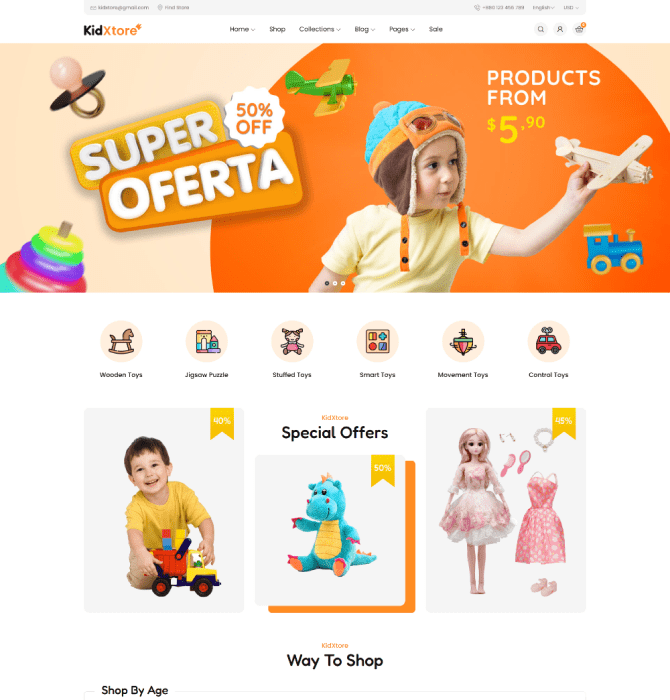 01. Kids Store #1
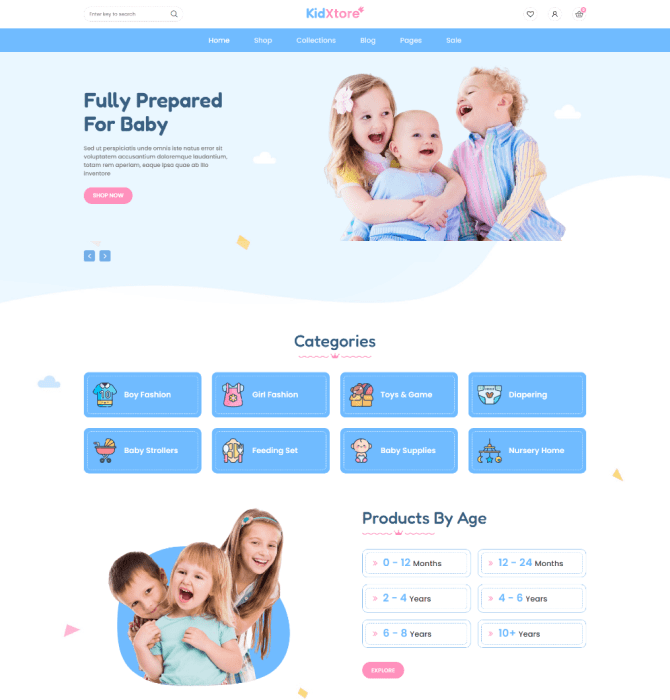 02. Kids Store #2
 03. Kids Fashion Store
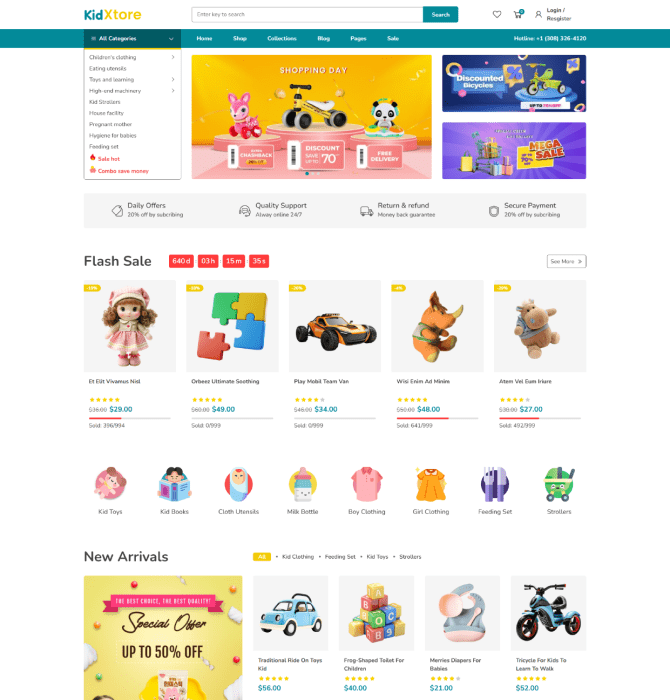 04. Kids Supply Market #1
 05. Kids Supply Market #2
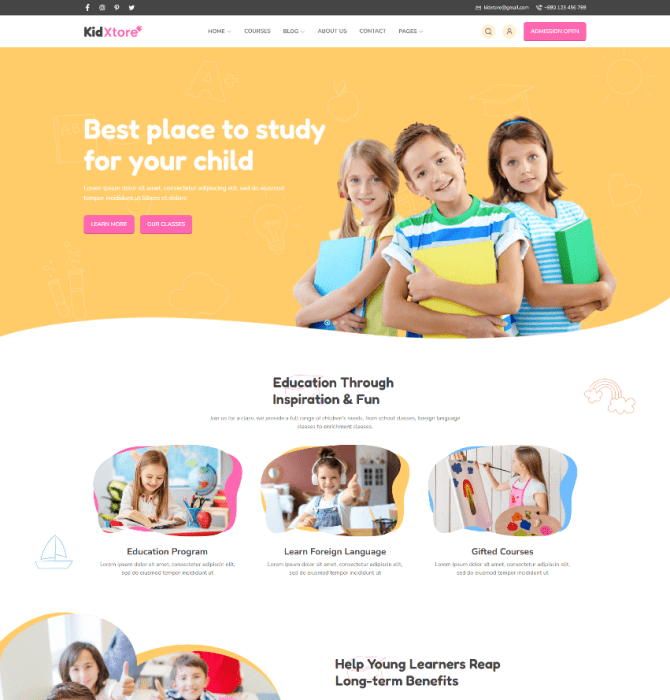 06. Kids Education
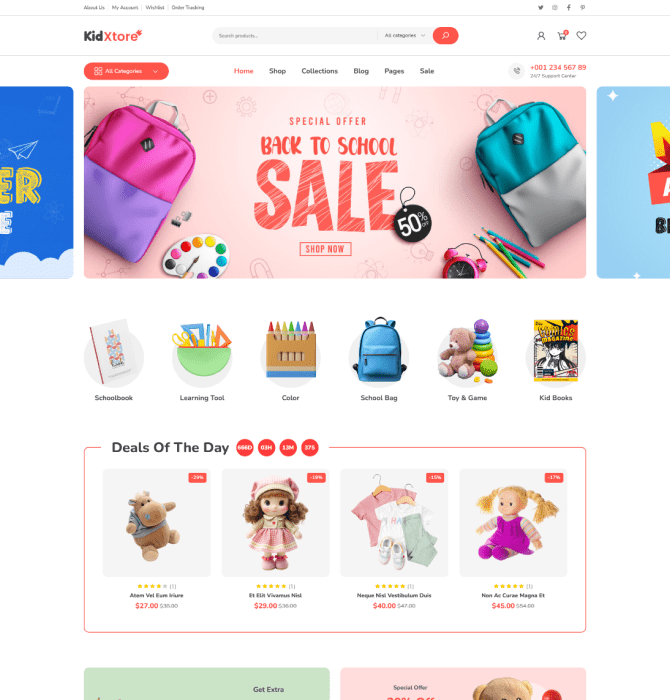 07. Stationery Store
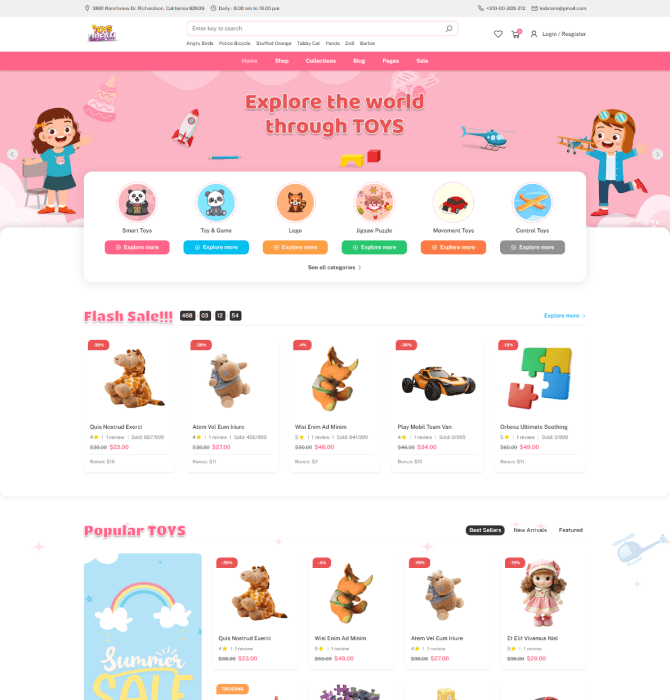 08. Kids Toys Store
 09. Kids Clothing Store
 10. Baby & Kids Clothes #1
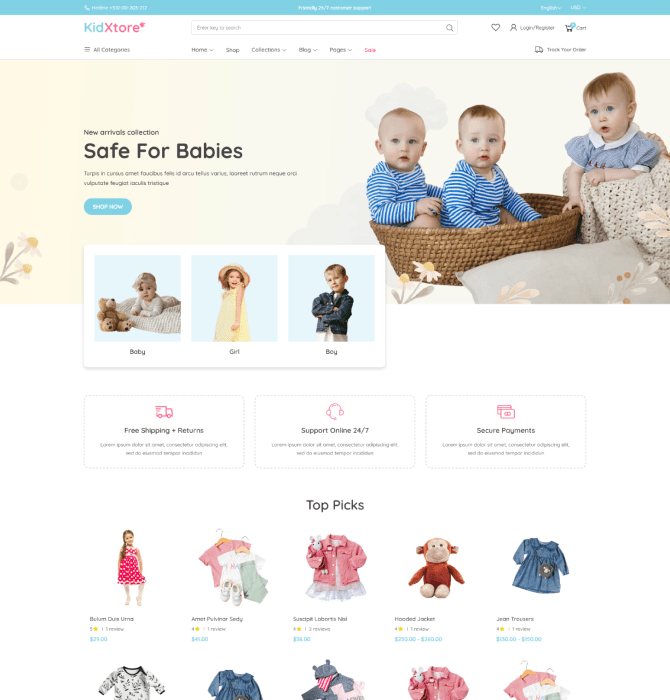 11. Baby & Kids Clothes #2
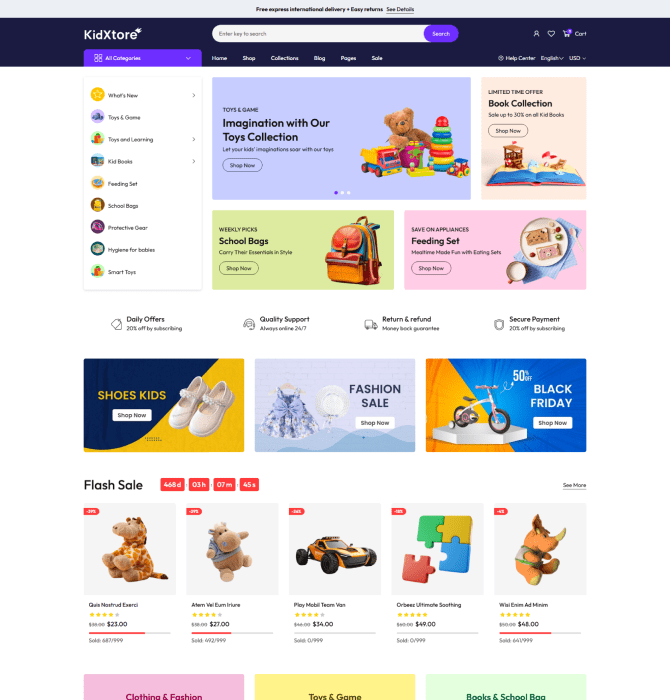 12. Kids Supply Market #3
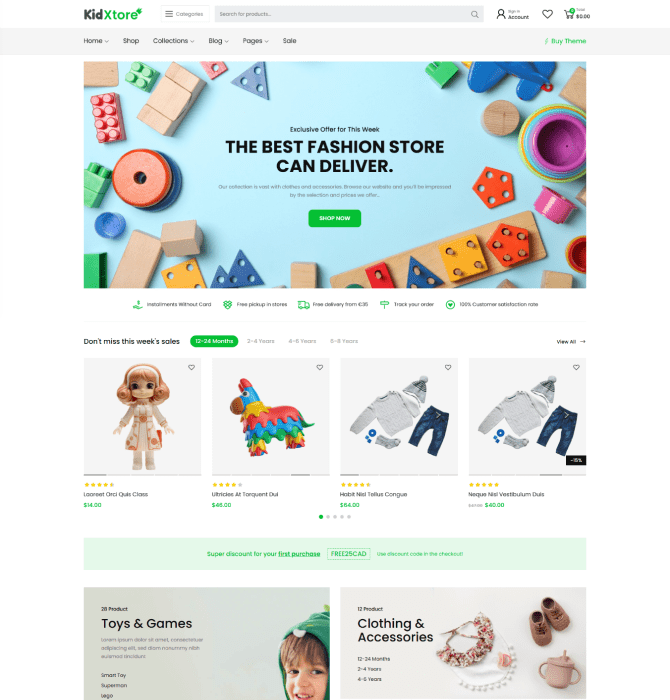 13. Kids Toys & Accessories
 14. Kids Store #3
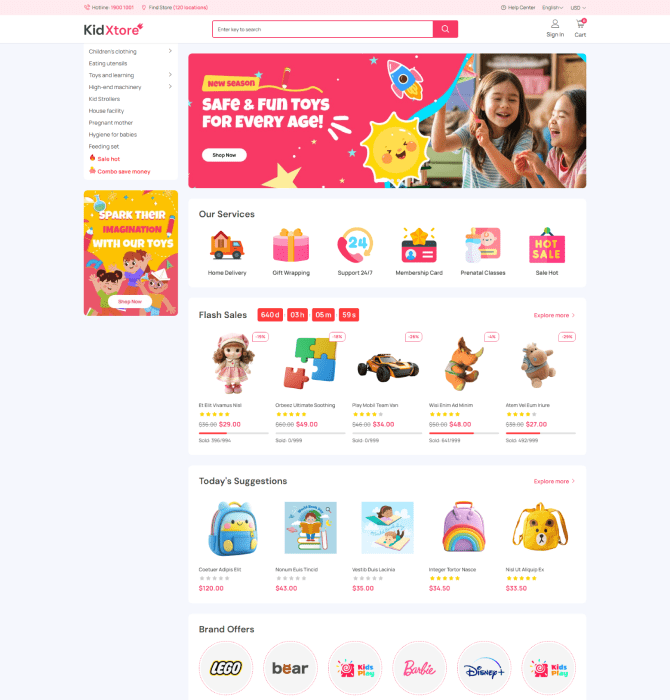 15. Kids Supply Market #5
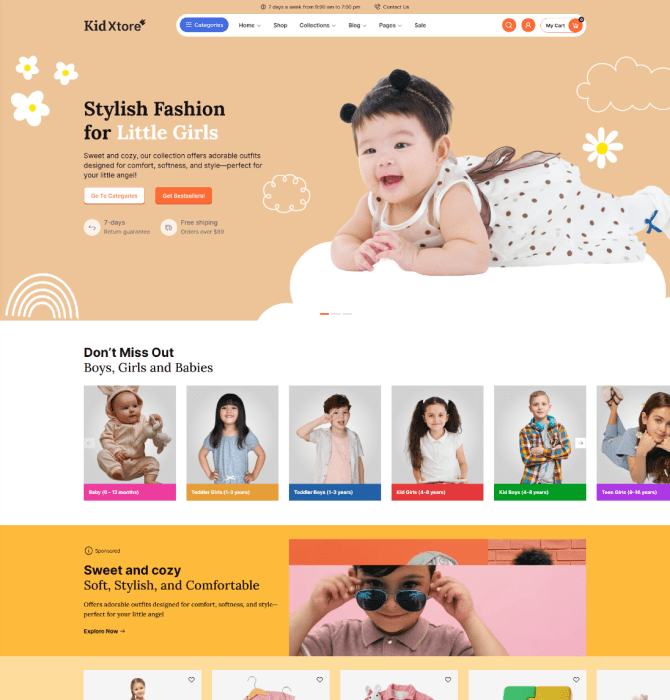 16. Children & Kids Store
 17. Kids Interior Store



























Leave a comment