No products in the cart.
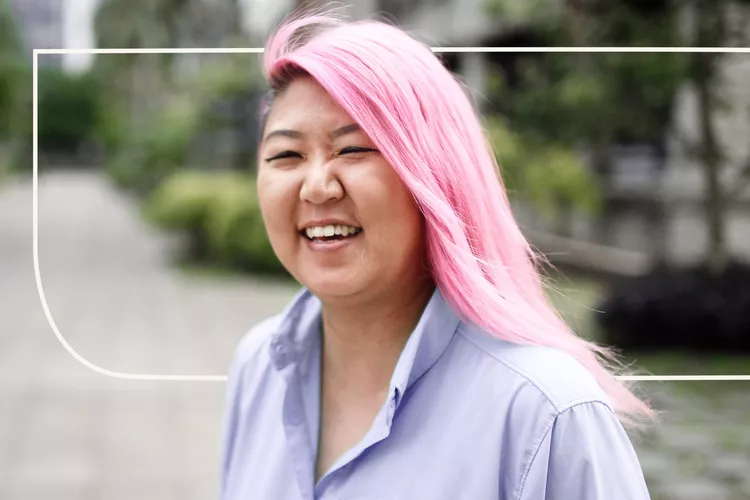

Celebrities and ordinary people alike are becoming creative with their hair colors, particularly when experimenting with pink. Celebrities such Florence Pugh, Marion Cotillard, Megan Fox, and Jennifer Lopez have all embraced one of the season’s greatest trends, so what’s stopping you?
If you’re ready to try a new hairstyle, pink could be the color for you. However, while there is a pink tint to suit every skin tone, having pink hair isn’t necessarily a happy experience. In fact, the buzzy color can be harmful to hair and necessitates continuous maintenance. To discover more, we contacted colorist Chezney Schulz.
Here’s everything you should know before you commit to pink hair.
Getting pink hair is slightly more difficult if you don’t start with a light foundation. Those with blonde strands have it easy because they can color their hair pink in one sitting (possibly even at home), but natural brunettes face a far more intense process that requires expert assistance. According to Schulz, bleaching may be necessary for non-blonde hair, but it depends on the desired shade of pink.If you want to be a pastel pink, you must dye your hair the lightest blonde possible; otherwise, the faint pink will turn out a dingy orange-ish color,” stated Schulz. “For a hot pink, you still need to bleach the hair, but it isn’t necessary to get it as light.”
If you’re starting with a dark base, go to a color professional because the natural pigment in your hair needs to be thoroughly bleached and stripped before the pink dye is applied. Salons that specialize in creative color, in particular, should be able to accurately boost your natural tone with minimal damage.
A colorist may need to totally strip your hair of pigment, which can be a very drying and draining treatment for your hair. If you’re naturally light, Schulz believes you can have this service done in one session in the chair. However, if your color requires a change from dark to light, it may take several salon appointments.
Schulz said that, while salons provide the finest results, if you already have blonde hair, you can try at home. She suggested Manic Panic and Arctic Fox for at-home dye kits.
If you have a colder complexion, the warm flamingo hue you saw on Instagram may not look as well on you in person. Just as you would choose a natural-looking hair color based on your cool or warm undertones, selecting a pink shade should follow the same guidelines. Warm skin tones should be complemented by warm pinks with hints of orange or yellow, while cold skin tones benefit from similarly cool fuchsia and magenta hues with a violet or blue basis.
Unfortunately, pink hair fades quickly, so you’ll need to keep up with it. Schulz suggested using at-home treatments to keep the color appearing fresh, such as the Viral Color-Intense Conditioner, which will freshen and nourish your hair while keeping the color. You should also avoid using any conditioners or shampoos that include sulfates, as these may strip the color.
Schulz recommended using a weekly hair mask, such as the Olaplex No. 8 Bond Intense Moisture Mask, to avoid dryness. She also advised to expect more frequent visits to the salon.Pink is a high-maintenance color; you’ll definitely need to go to the salon more frequently to keep it looking good,” Schulz explained.
If you work from home, you may not have to worry about this, except for the occasional Zoom meeting. If you work in an office, this is absolutely something to consider. Working with a bright carnation hue is common in a creative workplace, but if your office is more corporate, choose a more subtle impact to avoid violating any HR dress regulations. In a buttoned-up professional setting, a light rose gold ombré or even a temporary pink stripe in your top knot may be acceptable.


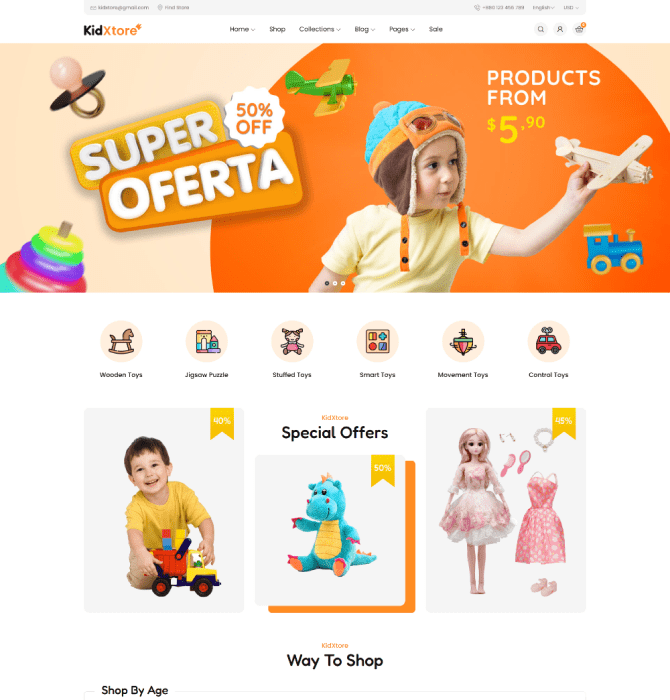 01. Kids Store #1
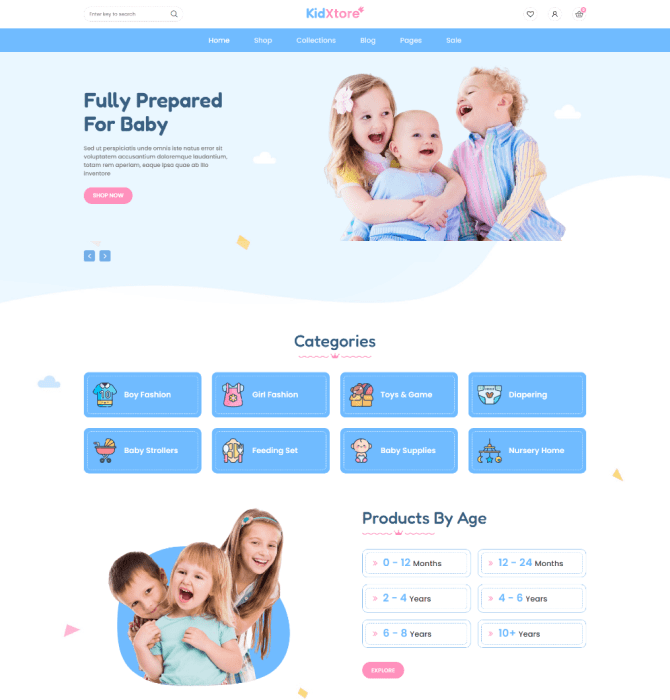 02. Kids Store #2
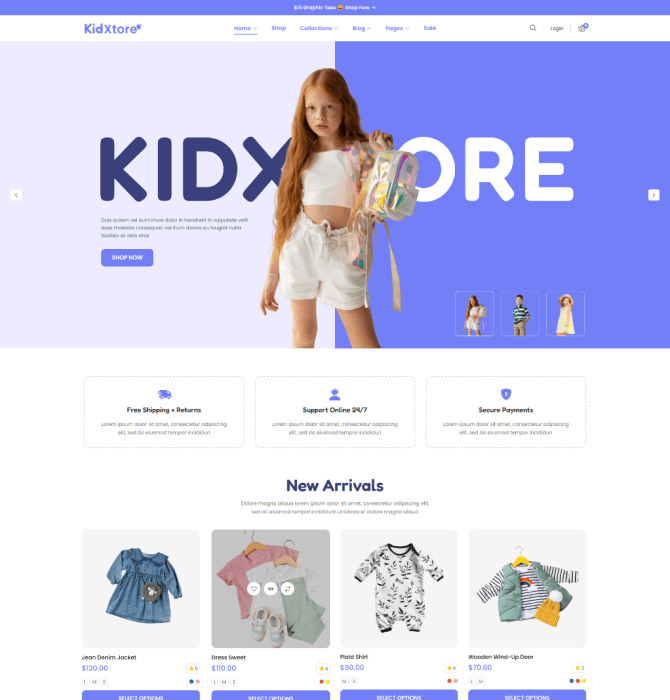 03. Kids Fashion Store
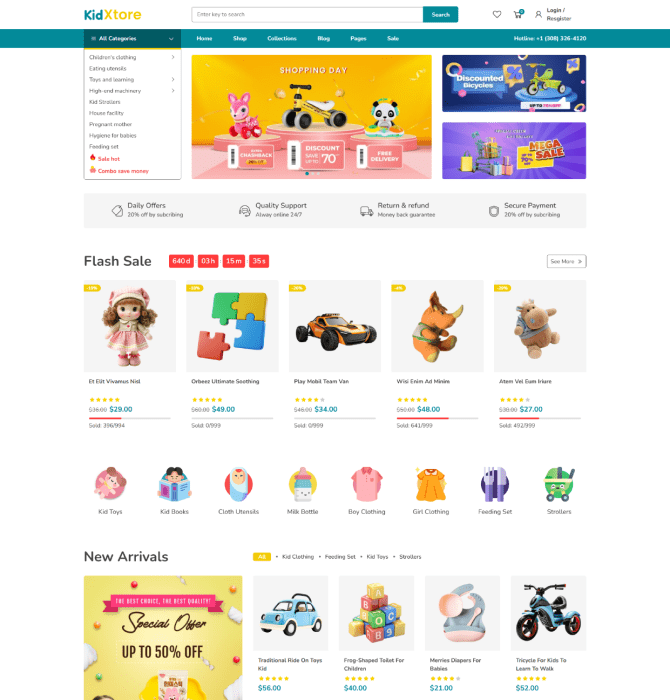 04. Kids Supply Market #1
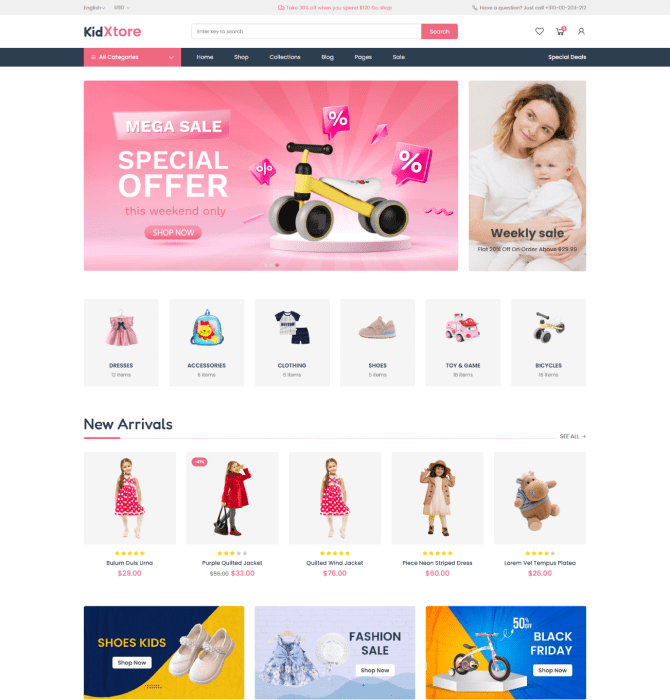 05. Kids Supply Market #2
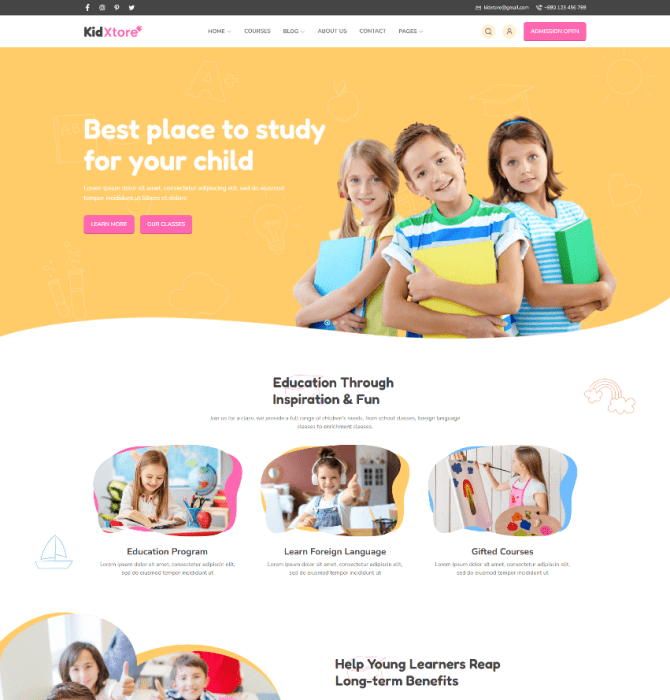 06. Kids Education
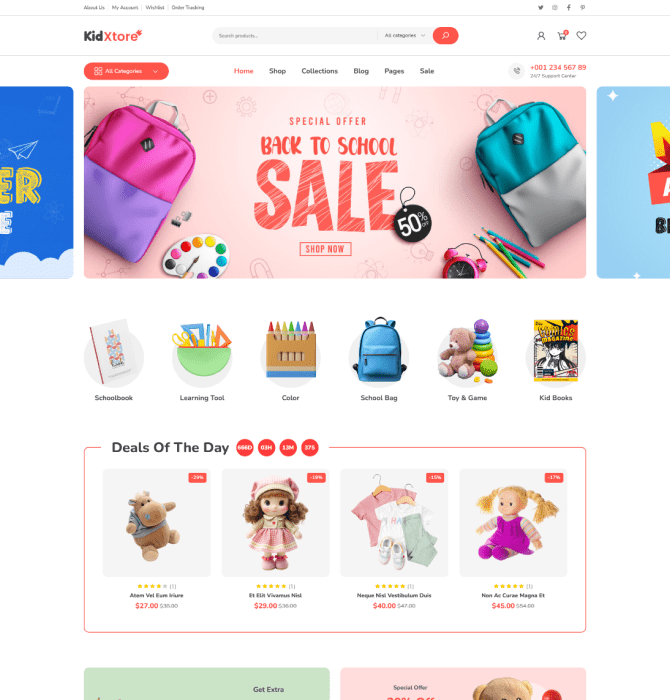 07. Stationery Store
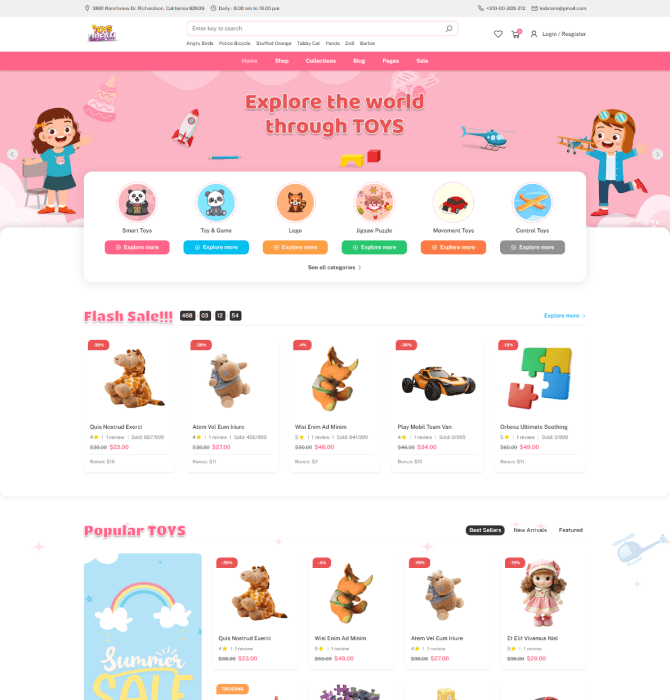 08. Kids Toys Store
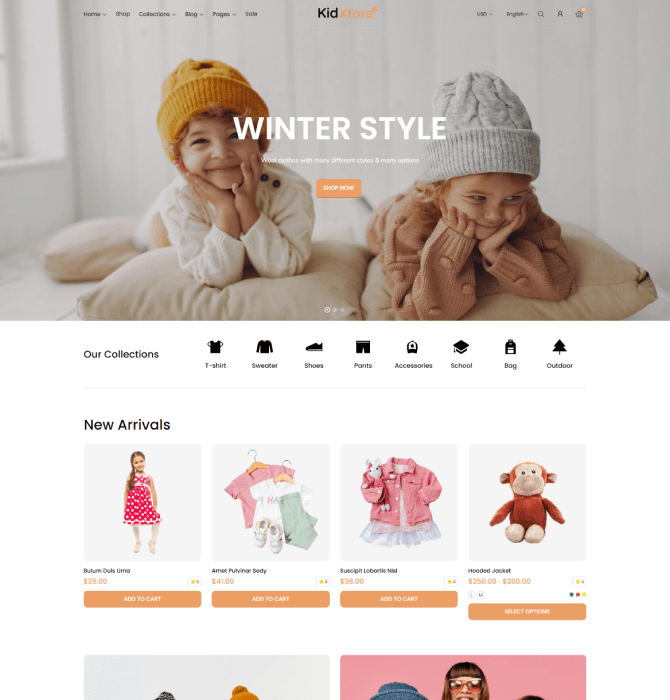 09. Kids Clothing Store
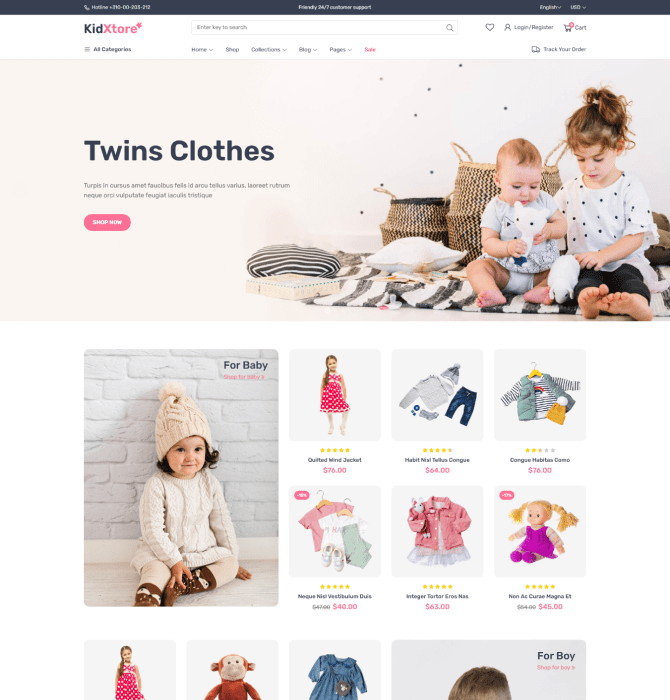 10. Baby & Kids Clothes #1
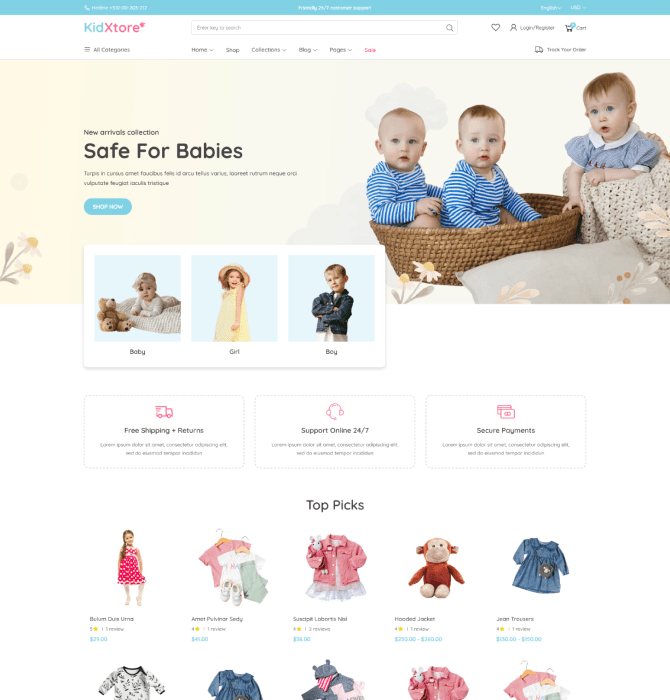 11. Baby & Kids Clothes #2
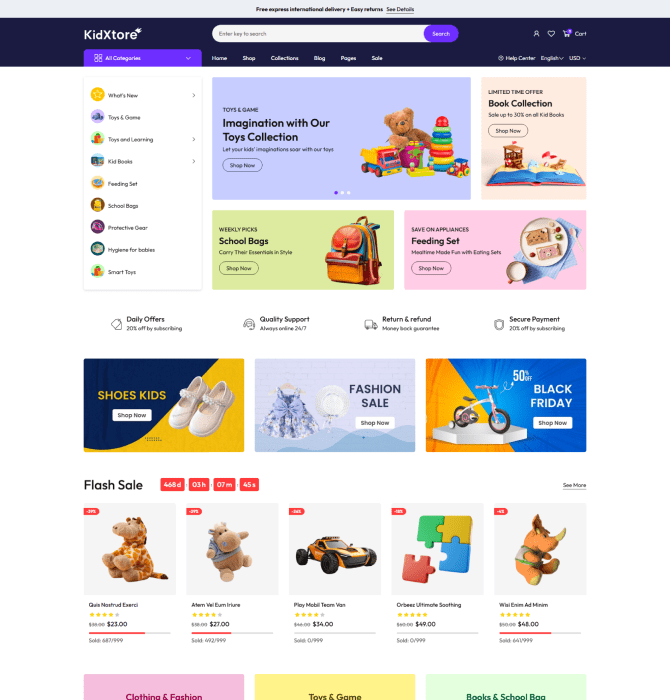 12. Kids Supply Market #3
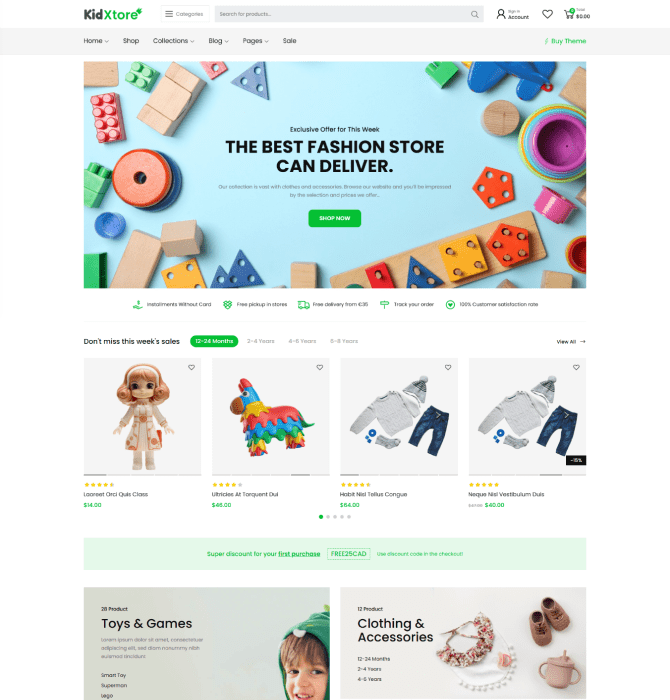 13. Kids Toys & Accessories
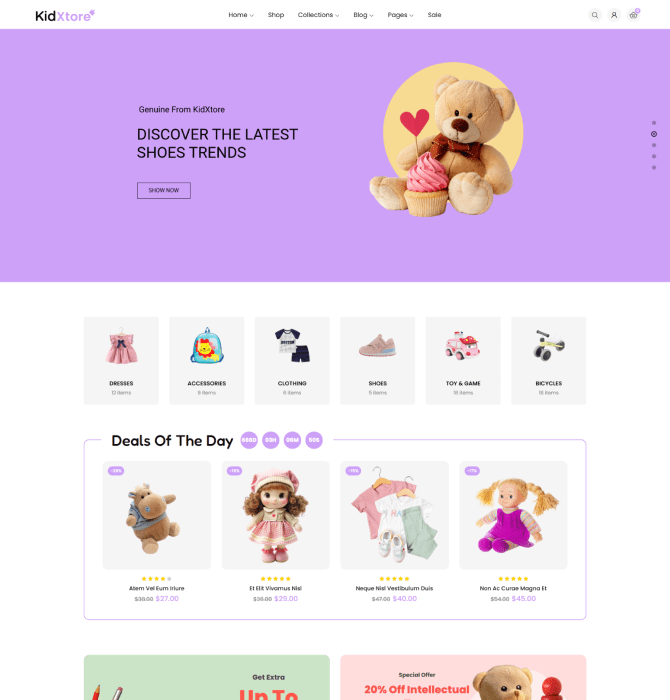 14. Kids Store #3
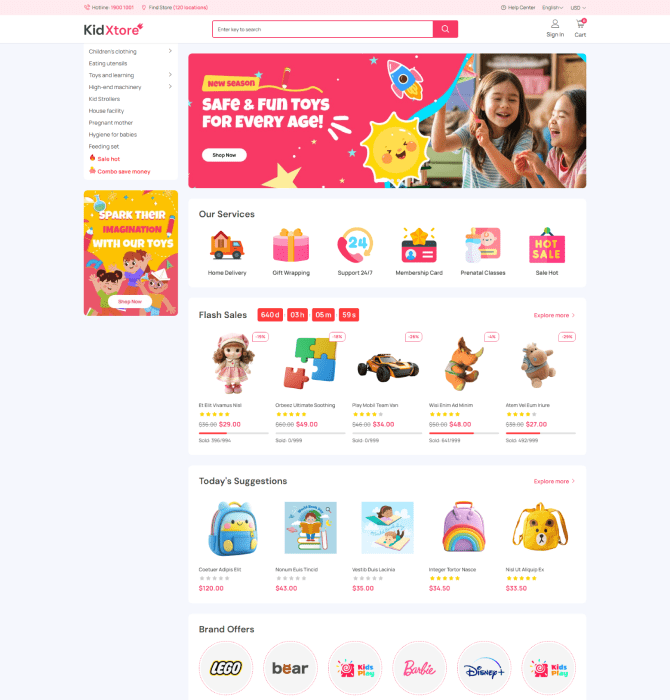 15. Kids Supply Market #5
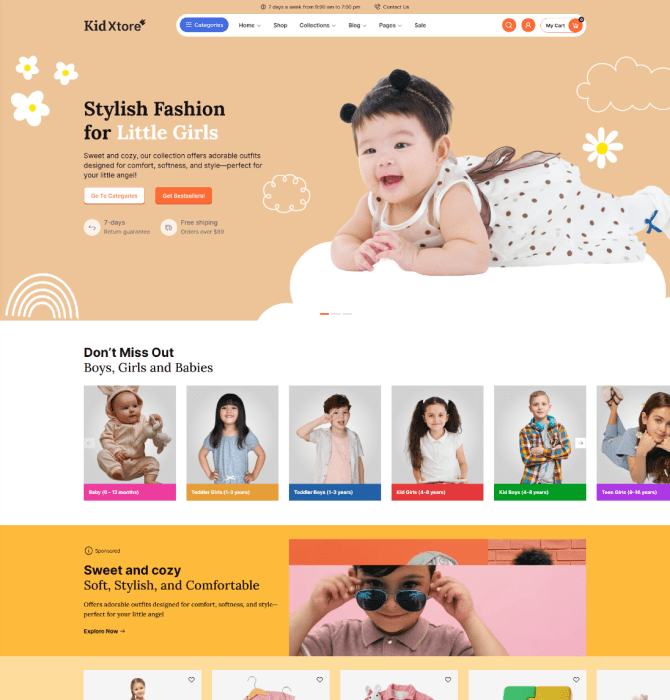 16. Children & Kids Store
 17. Kids Interior Store




Leave a comment