No products in the cart.


There are numerous hair treatments available, each with more buzz than the one before it. For example, you may be familiar with the Brazilian blowout, which results in bouncy, luscious locks. You might be intrigued about a keratin treatment, asking what it is, why it improves your hair, and how it differs from a Brazilian blowout. (Basically, blowouts will give you super-straight strands, whereas keratin treatments will give you a loose wave.). If you fall into the latter category, keratin-curious, you’ve come to the correct place.
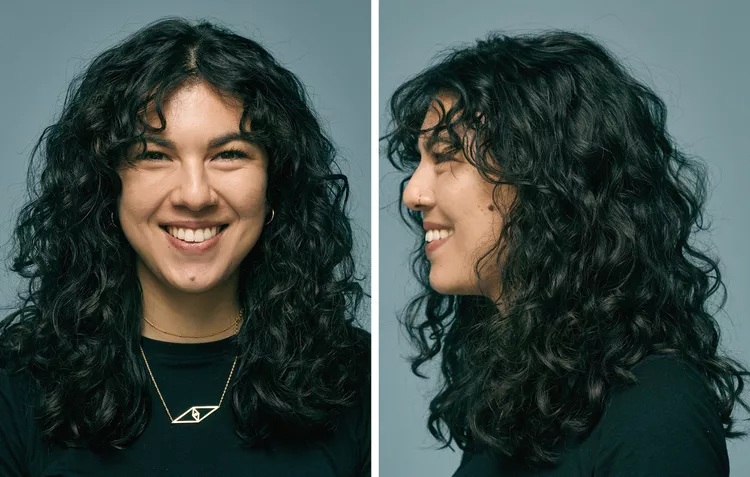
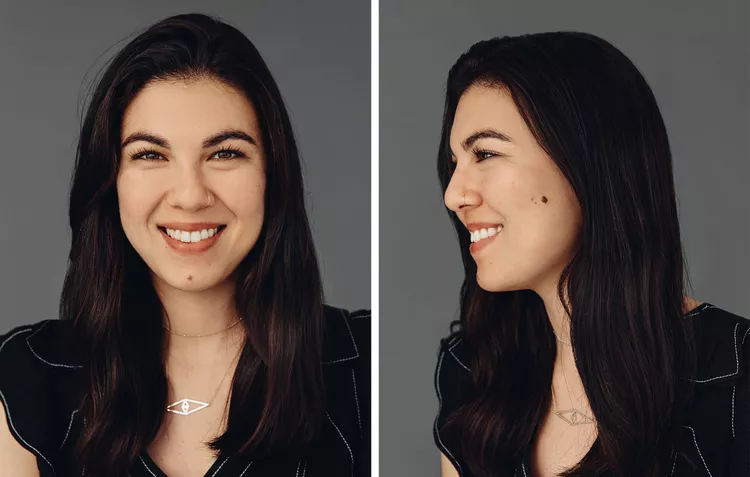
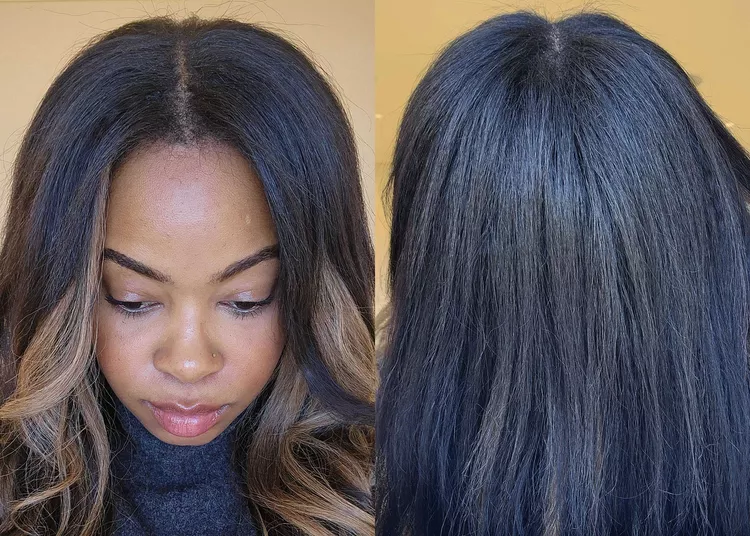
Two of InStyle’s curly-haired editors had keratin treatments and reported back on the results. Sam Reed, who has type 3A curls, attempted a therapy without formaldehyde. Meanwhile, Kara Jillian Brown, who has tight 4B-4C coils, chose a keratin treatment using formaldehyde. For more information on this popular hair treatment, we spoke with professional stylists and keratin experts Meri Kate O’Connor and Raphael Roque.
So, if you’re thinking about having a keratin treatment, keep reading for a comprehensive breakdown.
A keratin treatment is a method that smoothes, straightens, and strengthens your hair by infusing it with keratin, one of the primary proteins found in hair. “It’s creating a barrier that will be temporary for a couple of months,” says Roque.
Again, there are two sorts of keratin treatments: those with and without formaldehyde. Formaldehyde treatments are far more effective and have longer-lasting benefits than those without. Regardless of whether the treatment contains formaldehyde, the technique will involve applying a high-keratin solution to twice-washed hair. Keratin seeps into hair pores and is heat-sealed with a flat iron, resulting in smooth, straight tresses.
The procedure promises (largely) straight hair with minimum upkeep, but the advantages don’t end there.
Works on all hair types: The treatment will still remove frizz, flyaways, and stray cowlicks. Consider it a continual blowout, without the barrel-curled ends and the accompanying champagne.
Has restorative properties: O’Connor claims that keratin treatments can improve the texture and quality of color-treated hair. Virgin hair works best since it can absorb more of the keratin. This also strengthens the hair.
Added texture and volume: While pin-straight hair has its time and place, there are times when you want a mane with a little movement. According to Roque, keratin treatments weaken curls and coils rather than straightening them completely.
Increased strength: Keratin treatments on the market now can help strengthen your hair by stimulating a stronger follicle. “We’re pumping in natural keratin and collagen into the hair again, and these properties help build a good follicle,” explains Roque.
Faster blow-dry: Although your hair will retain more moisture, water will not be clinging to it as you try to dry it. This means you won’t have to use as much heat and tension on your hair to dry it.
dampness resistance: Because a keratin treatment forms a fortress around your strands, dampness won’t spoil your look. The keratin actually reflects humidity away from your hair, keeping it straight and frizz-free.
Formaldehyde-free options: Unlike a classic Brazilian blowout, there are keratin treatments that do not require formaldehyde. That being said, is this truly chemical-free? No.
Keratin treatments are suitable for all hair types and colours. Unlike Brazilian blowouts, keratin treatments are a gentler approach to condition your hair. However, because keratin treatments are intended to smooth your hair, those with wavy, curly, or coily hair may benefit the most.
Reed’s formaldehyde-free treatment consisted of two components. The first reduces frizz, and there are two alternatives for the second component. You can either entirely eradicate curls or simply manage the wave/curl. Reed chose to remove her curls in order to make a dramatic shift.
Because keratin treatments are established with heat, a large amount of heat at high temperatures is required to finish the procedure. This isn’t a problem if you do it twice or three times a year and are willing to reduce the amount of heat you use at home. However, if you are chained to your curling iron or want your hair to look picture-perfect on a regular basis, you will experience some heat damage.
Reed’s therapy took little over three hours from start to end. Brown’s process took close to five hours. However, keep in mind that this will depend on your hair type and quantity. If you have the type of heavy, thick mane that causes a ponytail tension headache after two hours in an updo (guilty), it will take hours.
Clear your schedule and keep an additional book and phone charger in your suitcase just in case. O’Connor also mentions that the method may take longer with fine hair because it necessitates running over the portions with a flat iron several times. Here is a comprehensive breakdown of the steps:
When the hair was entirely dried, it hung straight from the head, with no need for touch-ups—for Reed and Brown. The texture was smooth and silky, and you can guarantee they spent the entire evening running my hands through it like they were in a shampoo advertisement.
Keratin treatments can cost anywhere from $350 to $600, depending on hair length. (Disclaimer: For the purposes of this article, our editors provided complimentary services).
After the therapy, O’Connor told Reed that she could go home and wash her hair if she chose. She did swim in a pool the next weekend. Her hair did not curl, and after driving across a bridge with all of the windows down, it air-dried flawlessly straight. She even managed to finger-comb out the little tangles.
What about upkeep? Nothing, not a single thing. Reed and Brown continued to wash their clothes and let them air dry. Styling products and heat were unnecessary. Each editor could get from the shower to the metro to work in an hour. In two hours, Reed’s hair was entirely air-dried, revealing silky-smooth strands. Although some of the curl showed through, it appeared as a natural wave rather than a random curled coil.
According to O’Connor, the treatment lasts between three and five months. She adds that the majority of people who receive the treatment year-round will have it repeated every six months.
Reed and Brown did not had to use a hairdryer in the weeks after their treatment. They also didn’t have to worry about a little sweat causing baby curls around their temples. Brown prefers not to experiment with styles such as wash-and-gos and twist-outs. As far as a low-maintenance haircut goes, this one is difficult to top.


 01. Kids Store #1
 02. Kids Store #2
 03. Kids Fashion Store
 04. Kids Supply Market #1
 05. Kids Supply Market #2
 06. Kids Education
 07. Stationery Store
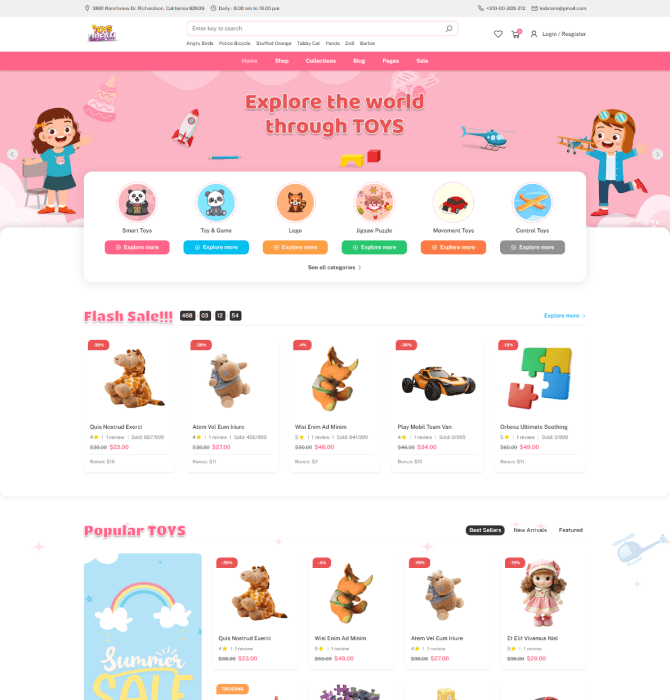 08. Kids Toys Store
 09. Kids Clothing Store
 10. Baby & Kids Clothes #1
 11. Baby & Kids Clothes #2
 12. Kids Supply Market #3
 13. Kids Toys & Accessories
 14. Kids Store #3
 15. Kids Supply Market #5
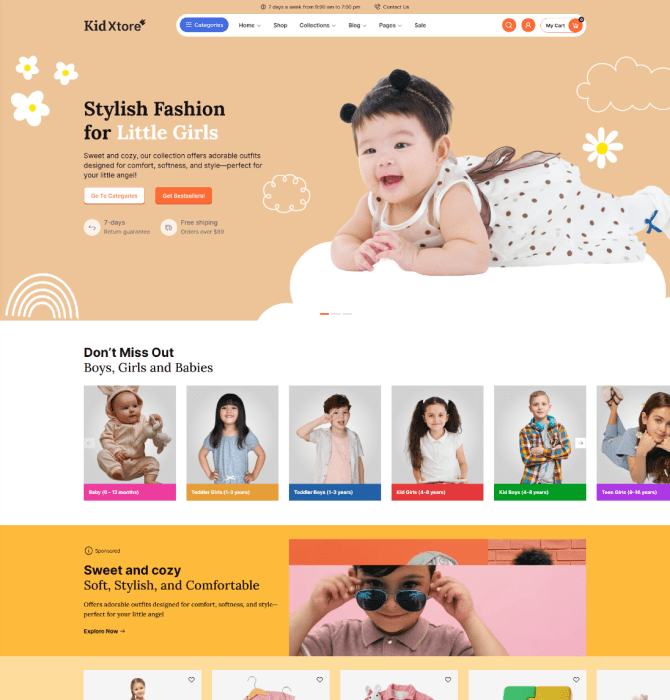 16. Children & Kids Store
 17. Kids Interior Store



















Leave a comment