No products in the cart.


Mustard oil has been used in South Asian cuisine for centuries; however, social media has recently brought attention to this pungent, spicy-smelling oil, with impressive before-and-after videos demonstrating its effectiveness in promoting hair health. “Mustard oil is rich in fatty acids, vitamins, and antioxidants, making it a deeply moisturizing treatment that locks in nutrients,” says Roger Kapoor, MD, a board-certified dermatologist trained at Harvard. “It also contains compounds that combat bacteria, fungi, and general inflammation, all factors that contribute to a healthier scalp.”
While there is no direct evidence that mustard oil promotes hair growth, it does create a favorable environment for growth. “In other words, by reducing inflammation, adding moisture, and fighting infection, mustard oil can help hair take root and flourish,” Dr. Kapoor tells me. Mona A. Gohara, MD, a Yale-trained board-certified dermatologist, says, “Massaging with mustard oil may also stimulate blood flow to the scalp, which can indirectly support healthier hair growth.”
Mustard oil is made from the pressed seeds of the mustard plant. Fragrant and nutrient-dense, it has been used in South Asian cooking and massage for centuries. “It’s packed essential fatty acids, antioxidants, and vitamin E, that nourish the scalp and hair,” according to Dr. Gohara.
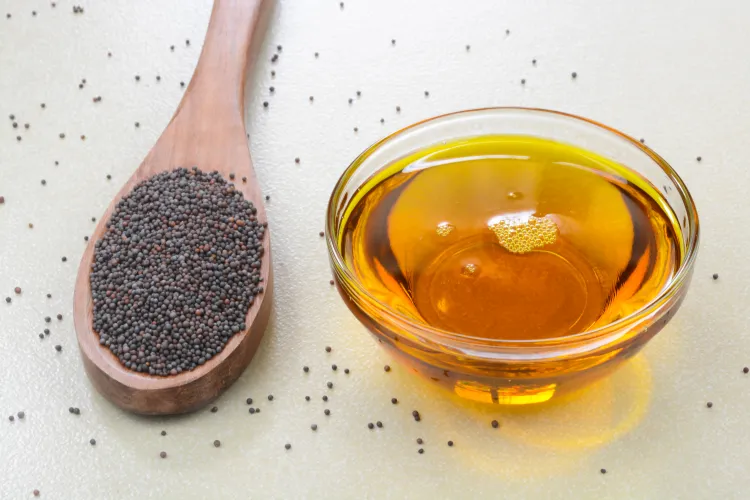
Using mustard oil as a natural conditioner once a week can help to strengthen hair and reduce breakage. “It also smooths frizz and adds shine,” says Dr. Gohara.
“It’s all about hydration, health, and healing,” says Dr. Kapoor. “The fatty acids hydrate each strand, and the anti-inflammatory and antimicrobial properties soothe dryness and flakiness on the scalp. The healing comes from the numerous nutrients found in mustard oil, which protect hair from UV and environmental damage.”
Experts recommend using mustard oil on dry hair once a week before shampooing. “Start by warming a teaspoon of oil on the stove or in the microwave—not hot, just slightly warm to the touch, like a baby’s bottle,” Dr. Kapoor explains. “Heating thins the oil slightly, allowing it to spread through the hair and penetrate the scalp more easily.”
Massage the oil into your scalp with your fingers or a rubber scalp massager, then apply any remaining oil to the ends, which are frequently the driest (and oldest) part of your hair. Cover your hair with a silk bonnet and leave the oil in for 30-60 minutes before shampooing. “Because it’s thick and pungent, many people mix mustard oil with a lighter oil, such as coconut or almond, to soften both the smell and texture,” Dr. Gohara says. “A good ratio is three parts mustard oil to one part coconut or almond.”
Cold-pressed mustard oil contains more nutrients but is more pungent than refined varieties. “Avoid chemically processed or adulterated oils as they can be especially irritating to the scalp,” according to Dr. Gohara.
Mustard oil contains allyl isothiocyanate, a naturally occurring chemical compound that gives the oil its pungent aroma and causes a warming sensation on the scalp. “The warming effect can be energizing, but it can also cause redness or itching, particularly in people with sensitive skin. Furthermore, the odor can linger even after washing,” explains Dr. Gohara.
Mustard oil contains erucic acid, which can cause irritation. “People with sensitive scalps may want to dilute mustard oil with a carrier oil to reduce the risk,” says Marisa Garshick, MD, a board-certified dermatologist from New York City. Overuse can weigh down the hair and clog the follicles, potentially slowing growth. “It’s not meant for daily use, think once a week at most,” says Dr. Gohara. If you have eczema, psoriasis, or a very sensitive scalp, you should avoid mustard oil and instead use a gentler oil. A patch test is recommended before use, which involves applying a pea-sized drop to your inner forearm or behind your ear and waiting 24 hours. “If there is redness, itching, or swelling, avoid use,” says Dr. Gohara.
“While mustard oil does have some medicinal and beauty uses, it is restricted in certain countries,” writes Dr. Garshick.In the United States, it’s only approved for external use because of its erucic acid content.” “It’s also not recommended for babies or young children because of the potential for irritation.”


 01. Kids Store #1
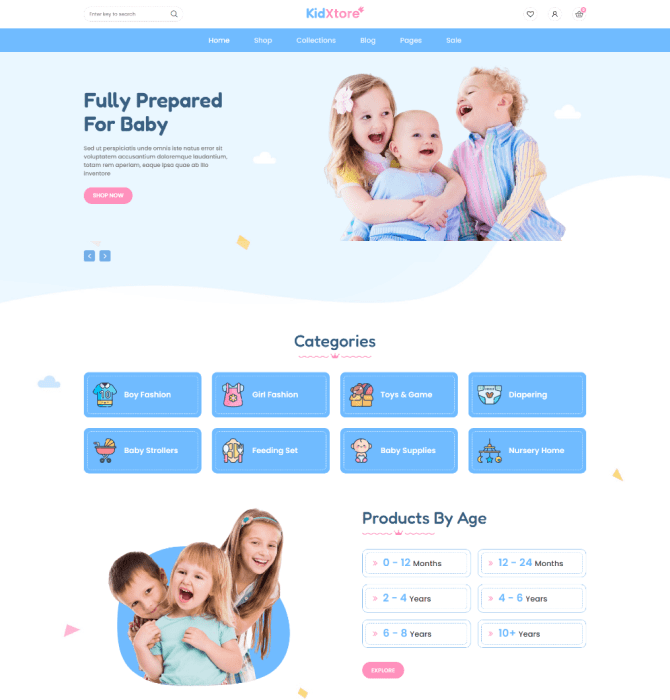 02. Kids Store #2
 03. Kids Fashion Store
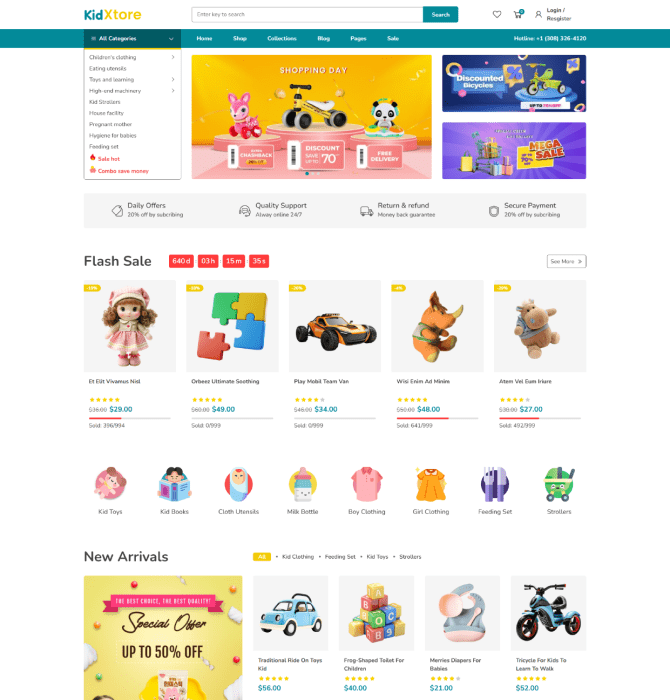 04. Kids Supply Market #1
 05. Kids Supply Market #2
 06. Kids Education
 07. Stationery Store
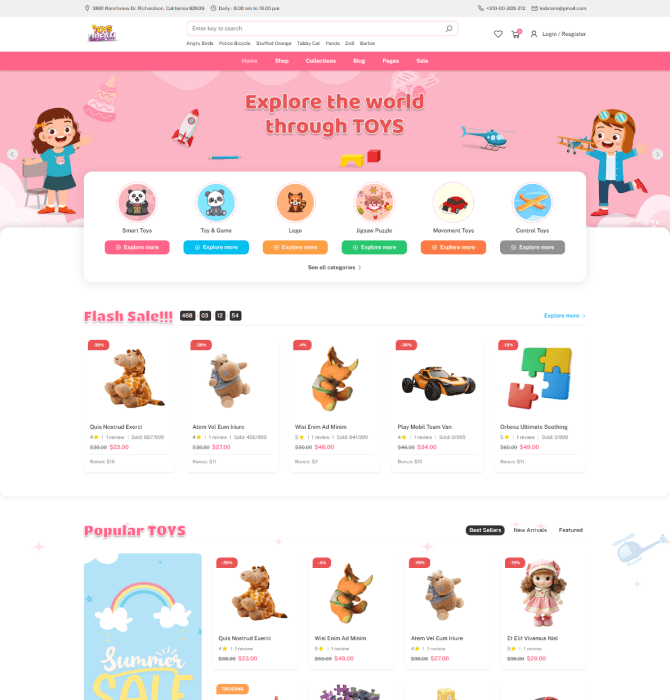 08. Kids Toys Store
 09. Kids Clothing Store
 10. Baby & Kids Clothes #1
 11. Baby & Kids Clothes #2
 12. Kids Supply Market #3
 13. Kids Toys & Accessories
 14. Kids Store #3
 15. Kids Supply Market #5
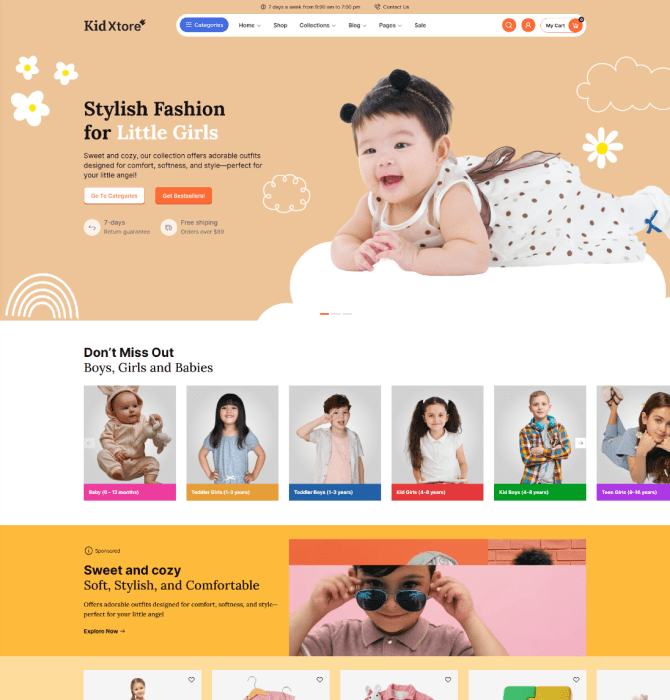 16. Children & Kids Store
 17. Kids Interior Store

















Leave a comment