
The distinction between oil- and water-based skin-care products, as well as how they effect your skin, has become a hot issue in online beauty forums—and with good reason.
“Both water and oil deliver ingredients to the skin; the difference is that the former makes skin-care products lighter, while the latter makes them more emollient,” says Ron Robinson, a cosmetic chemist and founder of Beauty Stat. If not applied appropriately, the mixture might cause beading and patchiness on the skin, as well as elements that are not fully absorbed. “Water-based products tend to hydrate and penetrate rapidly, while oil-based products lock in moisture and nourish the skin,” says Krupa Koestline, a clean cosmetic chemist and KKT Labs founder. “By knowing the difference, you’ll be guided on how to properly layer skin-care products, which is pretty straightforward—water-based products should always go on first, followed by oils, so the oils don’t create a barrier that blocks absorption and clog pores.”
“It’s possible that these two different formulas will separate more easily when improperly layered on the skin, but keep in mind that there may be other factors at play, such as the amount of oil produced by your skin and the other ingredients in the products,” says Michelle Wong, PhD, a cosmetic chemist and author of The Lab Muffin Guide to Basic Skincare.
Here’s all you need to know about oil-vs. water-based skin care.
Understanding Product Bases
A product’s “base” is the primary ingredient or substances that comprise the majority of the product. “It would be the sauce or broth in a food dish,” adds Koestline. “In skin care, it’s water, oils, or other solvents that help deliver the active ingredients effectively.”
“In water-based products, water or an ingredient like aloe are often the most concentrated ingredients in the product,” explains Jeannette Graf, MD, a board-certified dermatologist and assistant clinical professor of dermatology at Mt. Sinai. “With oil-based products, it’s usually an oil like coconut or jojoba.”
Identifying Oil-based Products
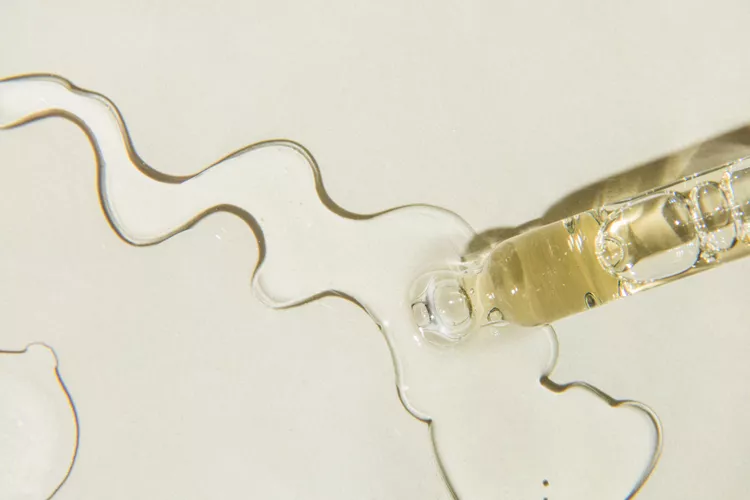
“If the product feels thick or greasy on the skin, leaves an oily residue after application, or contains jojoba, argan, or coconut oils as the first ingredient, it’s most likely oil-based,” Koestline adds. “The texture will also be thicker and stay on the skin longer. Keep in mind that some oil-based products contain water as a second or third ingredient.
“An oil-based product would be recommended for someone with dry or dehydrated skin who needs extra TLC to meet their skin needs,” according to Dr. Graf.
Identifying Water-based Products
Water is often the initial ingredient in water-based products, which also contain glycerin and humectants such as hyaluronic acid. “These products are usually lightweight and absorb easily into the skin without leaving a greasy feel,” according to Dr. Graf. “They may contain some oils that are stated at the lower end of the label, but the great bulk of the substances are water-derived. Water-based solutions are suitable for those with oily, combination, or acne-prone skin.”
“To determine whether a product is oil or water-based, place a dab in a cup of water. If it floats, it is an oil-based product. “If it settles, it is a water-based product,” explains Koestline.
Why are products formulated as oil- or water-based?
The type of substance (oil or water-based) impacts how it works on the skin. “Each has its own benefits,” explains Koestline. “Water-based solutions are ideal for hydration and rapid absorption, whereas oil-based products give long-lasting moisture and can deeply nourish the skin. The type of formulation is determined by the desired effect—hydration, nourishment, or a mix of the two.”
Selecting the Ideal Product for Your Skin Type
“If you have oily or acne-prone skin, water-based products are usually a better option since they’re lightweight and won’t clog pores,” Koestline explains. “Oil-based treatments work better on dry or aged skin because they give deep hydration and moisture retention. Combination skin may benefit from applying both types, albeit at various times or by layering.”
“Consumers should use the manufacturer’s claim on the packaging as their guideline when shopping to direct them to the right product—for example, a label will specify if it’s for dry or oily skin,” said Robinson. Dr. Wong agrees: “The label is the best place to start when looking for the right formula for your skin type.”
How to decode ingredient lists?
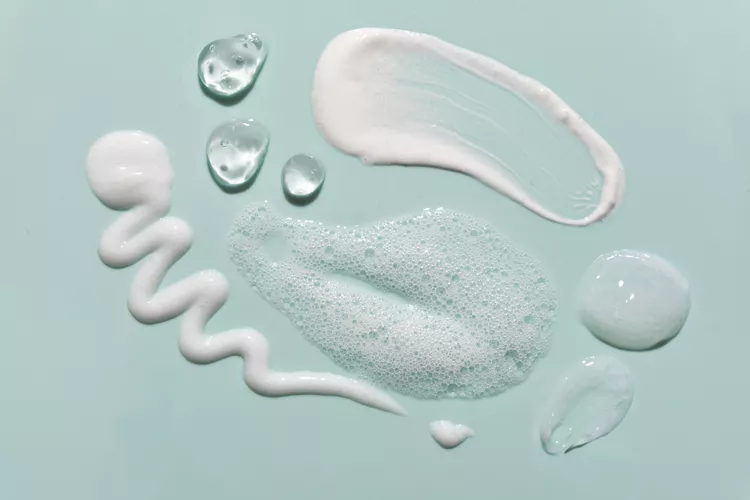
Pay attention to the first few ingredients in both oil- and water-based products, since they make up the majority of the formulation.
On a water-based product, the first ingredient should be water (aqua), followed by hydrating substances such as glycerin, aloe, or hyaluronic acid.
On an oil-based product, the first components will most likely be argan, olive, or squalane oils, followed by butters such as shea and cocoa, and skin-smoothing emollients or silicones.
Conclusion
Water-based products provide hydration and have a lighter feel. If your skin requires additional nourishment or hydration, oil-based solutions are the preferable option. A balanced skin-care routine may incorporate both; just be cautious of how and when you layer them. “If you’re worried about skin or liquid makeup products separating on your skin, grab some skin-care samples and try them out before purchasing,” adds Dr. Wong, who also recommends reading reviews to narrow down which products are more likely to separate.