
Choosing the right product is more important than technique if you apply makeup frequently. Heavy, long-wearing solutions that are meant to “lock in place” can accelerate congestion and irritation by trapping perspiration, oil, and environmental debris against the skin for hours. This mild irritation can eventually erode the skin’s protective layer and hasten the breakdown of collagen. Choose non-comedogenic, breathable foundations and concealers with skin-supporting components like squalane, niacinamide, or glycerin. Makeup shouldn’t cover up the skin; it should be applied gently.
Prep Your Skin Like You’re Wearing Makeup for Aging Prevention
One of the quickest ways makeup ages face is when skincare is neglected while makeup is being applied. Skin that is well-prepared and hydrated minimizes friction during application and keeps pigment from settling into fine wrinkles. Under makeup, a light moisturizer and antioxidant serum reduce micro-pulling, which over time causes wrinkles, and provide protection and glide. Consider skincare to be a foundation of protection. When skin is calm, supported, and cushioned before a single product touches it, makeup works better and causes less long-term damage.
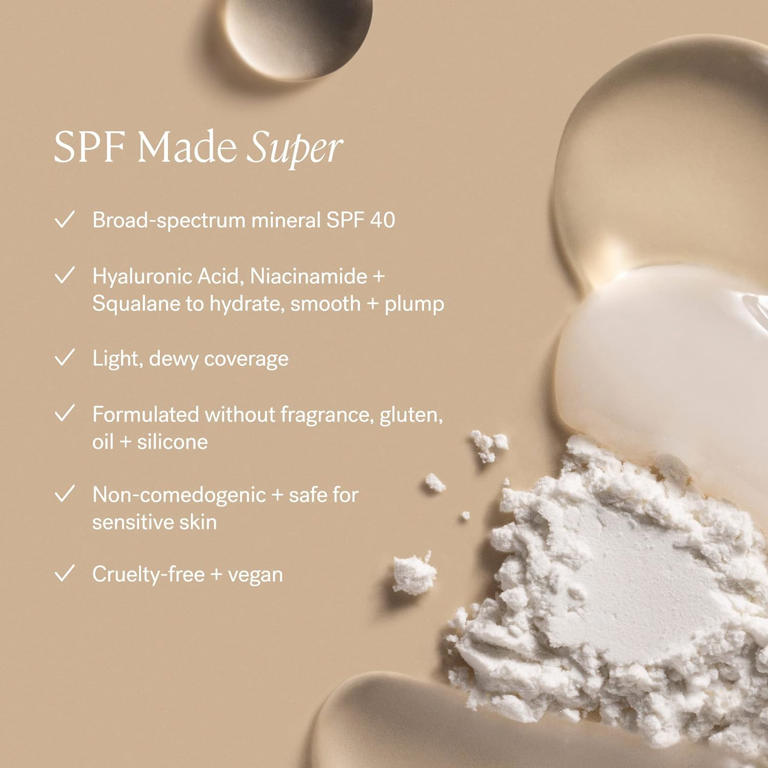
ILIA
Super Serum Skin Tint SPF 40
Application Habits Matter More Than You Think
Skin can age more quickly due to makeup application technique than actual makeup. Delicate face skin is stretched thousands of times a year by aggressive blending, dragging brushes, and repeatedly tapping sponges. This mechanical strain accumulates. Elasticity is preserved by using soft brushes, little pressure, and gentle stippling motions, particularly around the mouth and eyes where the skin is thinnest. Instead of smearing paint onto a wall, makeup application should resemble patting stuff over silk. Long-term harm is reduced when force is reduced.
Makeup Removal Is Where Aging Accelerates—or Slows
Damage from sleeping in makeup is evident, but hasty removal is equally damaging. Every night, the lipid barrier is broken down and the skin becomes inflamed by harsh wipes and prolonged rubbing. Uneven texture and tiny wrinkles are accelerated by this persistent discomfort. Makeup is dissolved without friction using a mild oil or balm cleanser, and residue is completely removed with a mild second cleanse. Proper cell repair, collagen formation, and moisture recovery are made possible by clean skin at night. If makeup is applied every day, removal needs to be just as deliberate.
Watch for Hidden Aging Triggers in Makeup Formulas
When used frequently, several elements in makeup subtly accelerate the aging process. Dehydration lines result from dry skin caused by high alcohol content. Even in the absence of obvious symptoms, fragrance can cause inflammation. Over time, matte powders dry aging skin and highlight texture. Waterproof formulae need to be removed aggressively, which puts stress on sensitive areas. One of the main causes of premature aging is cumulative inflammation, which can be decreased by selecting makeup with less irritants. Comfort is frequently an indication of improved long-term skin compatibility, so makeup doesn’t have to feel harsh to work effectively.
Give Your Skin Strategic Makeup-Free Recovery Time
Daily makeup use does not imply that skin is never rested. Barrier healing, microbiota balance, and oil regulation can all return to normal with just one or two makeup-free days each week. The inflammatory burden that accumulates from continuous product wear is lessened by these recovery intervals. On days off, concentrate on antioxidants, barrier creams, and hydration. Strategic restraint actually improves esthetic effects, as evidenced by the smoother, plumper, and more even appearance of skin that gets regular slumber.
Protect Your Skin From Makeup-Related Sun Aging
The amount of foundation used rarely gives full SPF coverage, despite the common belief that it does. When mixed with makeup, UV exposure can hasten changes in texture, pigmentation, and collagen loss. If you frequently use makeup, you must use a specific sunscreen underneath it. The aging effects of makeup-related irritation are exacerbated by sun damage. Daily skin protection prevents cosmetics from contributing to a cycle of aging brought on by oxidative stress and UV exposure.
Makeup Doesn’t Age You—Habits Do
The way makeup is applied, removed, and chosen influences how it affects aging, not the makeup itself. You can wear makeup regularly without sacrificing the health of your skin thanks to careful product selection, gentle procedures, regular skincare, and appropriate removal. Skin is more resilient, smooth, and youthful for longer when cosmetics is used as an accessory rather than an armor. The objective is to wear makeup wisely, keeping skin lifespan in mind, not to wear less.