
Unlike conventional cosmetics, waterproof makeup is made with film-forming chemicals that bond pigment to the skin more firmly. Silicones, waxes, polymers, and oil-soluble pigments that reject water rather than dissolve in it are frequently used in these items. When applied, they create a pliable yet strong covering that is resistant to deterioration from friction, moisture, and humidity. This engineering makes it possible for the makeup to withstand perspiration, rain, and tears, but it also makes the formula stick to the skin’s surface more firmly. This strength makes waterproof makeup more taxing on your skin barrier and lends it its renowned longevity.
Why Waterproof Makeup Lasts Longer Than Regular Formulas
Because waterproof makeup is resistant to both water and sebum, it is long-lasting. Waterproof compositions are made to stay stable in oily situations, however many conventional creams break down as your skin produces oil during the day. Hydrophobic substances that repel both oil and moisture are used to accomplish this. This makes the makeup less breathable even though it allows for longer wear. Dermatologists frequently advise against daily, prolonged usage without thorough removal since this decreased airflow can eventually trap heat, oil, and bacteria against the skin.
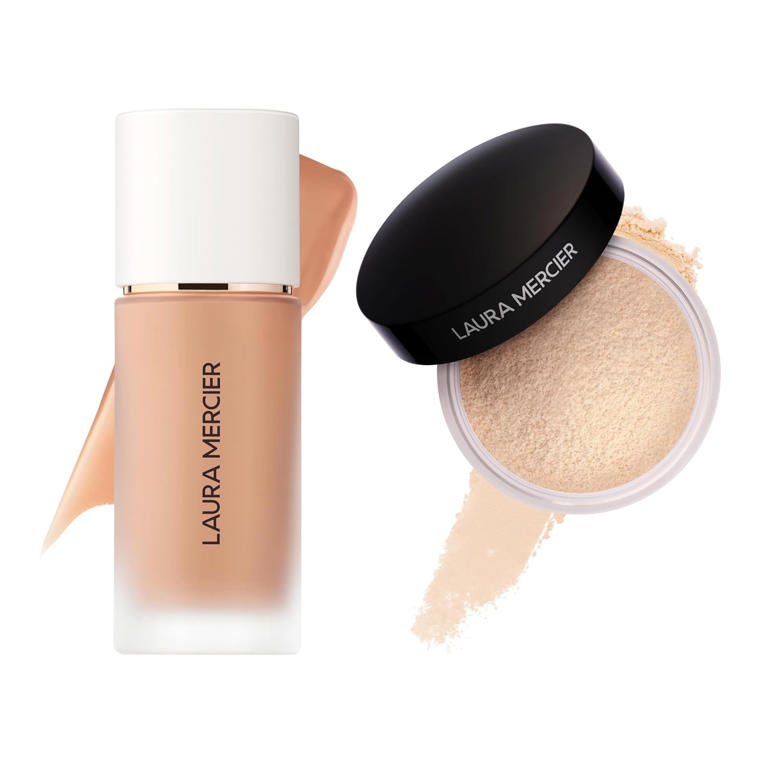
Laura Mercier
Waterproof Liquid Foundation and Setting Powder
The Hidden Skin Tradeoffs of Waterproof Makeup
Even though waterproof makeup works incredibly well, frequent application can put more strain on the skin. These more occlusive products may make clogged pores more likely, particularly for sensitive or acne-prone skin types. Because of the increased adhesion, removal frequently requires the use of oils or solvents, and inadequate cleaning may result in residue. Scrubbing repeatedly can cause the skin barrier to be disrupted, which can result in irritation, redness, or dehydration. If left unchecked, this can eventually impair the skin’s ability to protect itself and make it more sensitive.
When Waterproof Makeup Makes Sense—and When It Doesn’t
In short-term, high-demand scenarios like weddings, sporting events, humid weather, or long workdays without access to touch-ups, waterproof makeup works well. Its ability to withstand wetness and movement can be quite helpful in these situations. However, it might not be the best for skin health to use waterproof cosmetics every day for everyday usage. Dermatologists typically advise using breathable, non-occlusive solutions for daily usage and saving waterproof versions for special occasions. When it really counts, this balance allows you to enjoy the advantages of long-lasting makeup while maintaining the integrity of your skin.
Application Techniques That Reduce Skin Stress
Correct use of waterproof makeup can greatly lessen its negative effects on the skin. A smoother surface and less uneven adherence are produced by starting with clean, well-hydrated skin. Complementary primers and light moisturizers can help the makeup avoid adhering to the skin too strongly. Occlusion is decreased and comfort is increased by using thin, buildable layers rather than thick ones. Preventing cracking and excessive buildup by letting each layer set before adding additional makes it easier to remove at the end of the day and looks nicer.
Why Removal Matters More Than the Makeup Itself
Wearing waterproof makeup is not the biggest risk to your skin; rather, improper removal is. Traditional cleansers frequently are unable to completely dissolve these compositions due to their resistance to water. Pigment, waxes, and polymers that clog pores and prevent nighttime skin regeneration may be left behind after incomplete removal. Oil-based or micellar-based solutions that can dissolve waterproof materials without using hard scrubbing are necessary for effective removal. Using these long-wearing products requires patience, gentle pressure, and a follow-up cleaning to keep skin healthy.
The Science Behind Oil-Based and Micellar Removers
The “like dissolves like” theory, which states that oils efficiently dissolve other oil-soluble materials like waterproof pigments and waxes, is how oil-based removers function. Micellar waters work by using tiny oil molecules suspended in water to draw in and remove makeup without compromising the integrity of the skin’s protective layer. Dermatological research supports both techniques as safer substitutes for harsh cleansers or vigorous rubbing. When properly removed, the skin’s natural healing mechanisms take over, lowering inflammation and averting chronic irritation.
Using Waterproof Makeup Without Compromising Skin Health
When applied sparingly and removed appropriately, waterproof makeup can be a component of a healthy regimen. You can reap its benefits without compromising skin resilience by limiting frequency, emphasizing gentle application, and purchasing efficient removal products. It’s important to pay attention to how your skin reacts; tightness, redness, or breakouts are signs that something has to be adjusted. Waterproof makeup can provide results without compromising the long-term health of the skin if it is used as a practical tool rather than as a daily default.